A private group retreat in southern France works best when it feels like time together, rather than a project to manage. Begin with a comfortable house, a clear sense of why you are gathering and just a few shared moments to look forward to. Then leave room for the things that cannot be scheduled: a slow morning, a second coffee in the garden, a walk, a swim, a conversation that continues long after dinner.
At Les Manibelles in the Tarn, the aim is not to fill every hour. It is to help the people you are gathering enjoy one another’s company with ease - whether you are planning a family reunion, a milestone birthday, a friends’ escape or a small retreat with a shared purpose.
At a glance: what to decide before you book
| Planning decision |
What to decide |
When to decide |
| The reason for gathering |
What you would like the stay to feel like |
Before choosing a house |
| Your guest list |
Room preferences, children, twin-bed needs and bathroom expectations |
As soon as dates are discussed |
| Your shared moments |
One or two meals, a local experience and any celebration |
Before confirming arrangements |
| Food |
Arrival supper, breakfast rhythm, dietary requirements and whether to arrange a chef |
Early in the planning |
| Travel |
Arrival windows, departure times and one point of contact |
Before guests make plans |
| Free time |
What should remain entirely optional |
From the very beginning |
Start with the reason for gathering
Before you think about menus, restaurant bookings or a list of things to see, ask one simple question: what do we want this time together to give us?
For some groups, it is a long-awaited family reunion. For others, it is a birthday worth marking properly, a yearly gathering of friends, or a chance for a creative or professional group to step away from everyday routines.
The answer need not be grand. It may simply be: “We want everyone to have time together without anyone having to host.”
That answer will make the rest of the planning easier. It tells you how much structure you need, how many shared meals matter and where you should leave space for people to follow their own rhythm.
A good group stay usually has three kinds of time:
- Shared time: a first-night supper, a long lunch, a celebratory dinner or one memorable local outing.
- Optional time: a wine tasting, a market visit, a cycle, a game, a swim or a leisurely afternoon in the garden.
- Unplanned time: the part that lets each person read, nap, wander, talk or simply do very little.
The most generous itinerary is often the one that does not try to make everyone do the same thing at once.
Choose a house for the way your group will actually live
When looking for a large group villa in southern France, it is tempting to begin and end with the guest number. It is more useful to think about how people will spend their days together.
Will everyone be comfortable at the table? Is there somewhere to disappear with a book? Are the bedroom and bathroom arrangements right for couples, friends, children and different generations? Does the house give people both sociable spaces and a little breathing room?
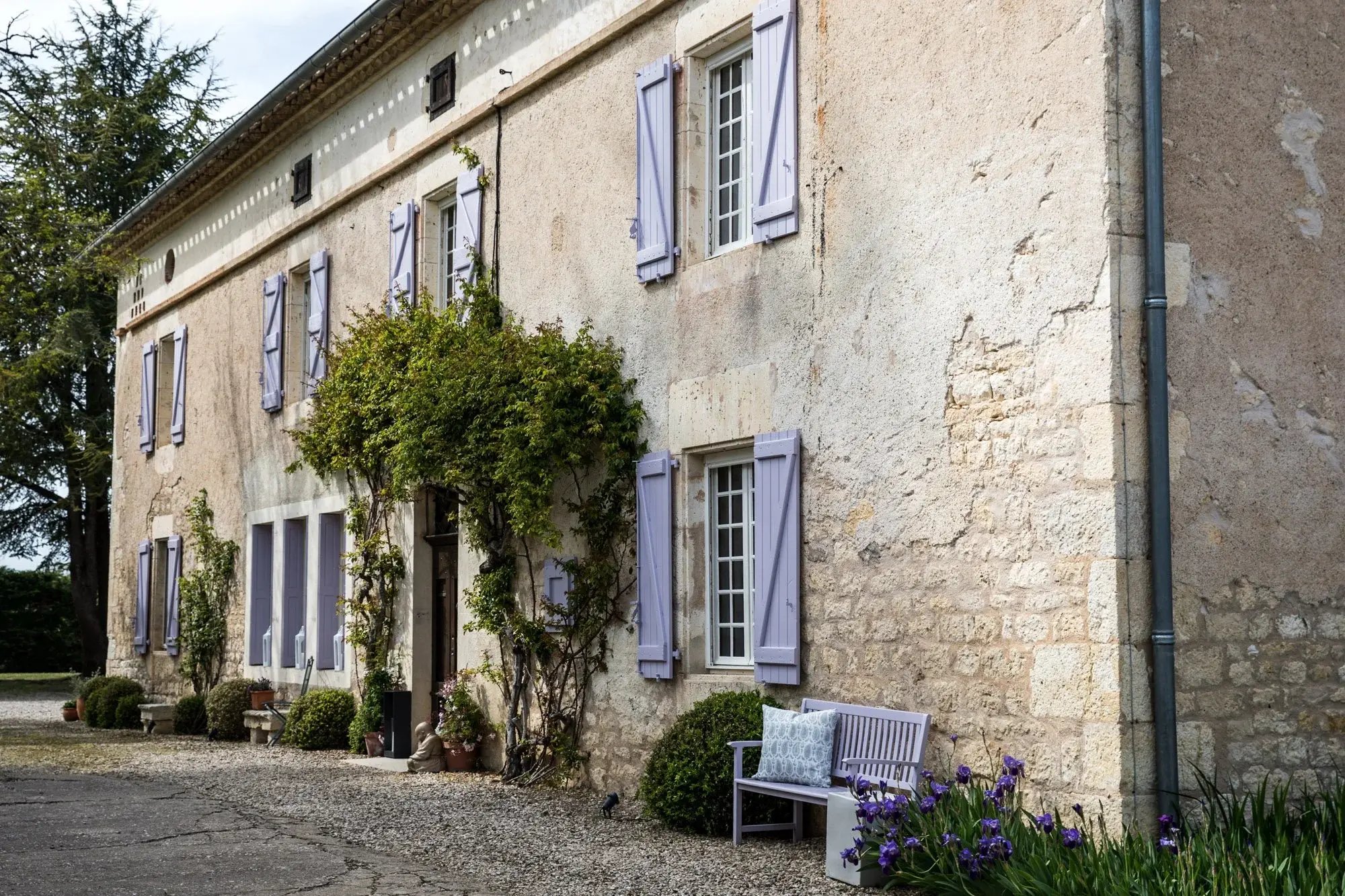
At Les Manibelles, the current room configuration accommodates up to 14 guests across five rooms. Beds can be arranged as European kings or pairs of XL twins, and two rooms include day beds for children. There are six full bathrooms and a powder room, so it is worth discussing the arrangement with your group rather than assuming every room has the same setup.
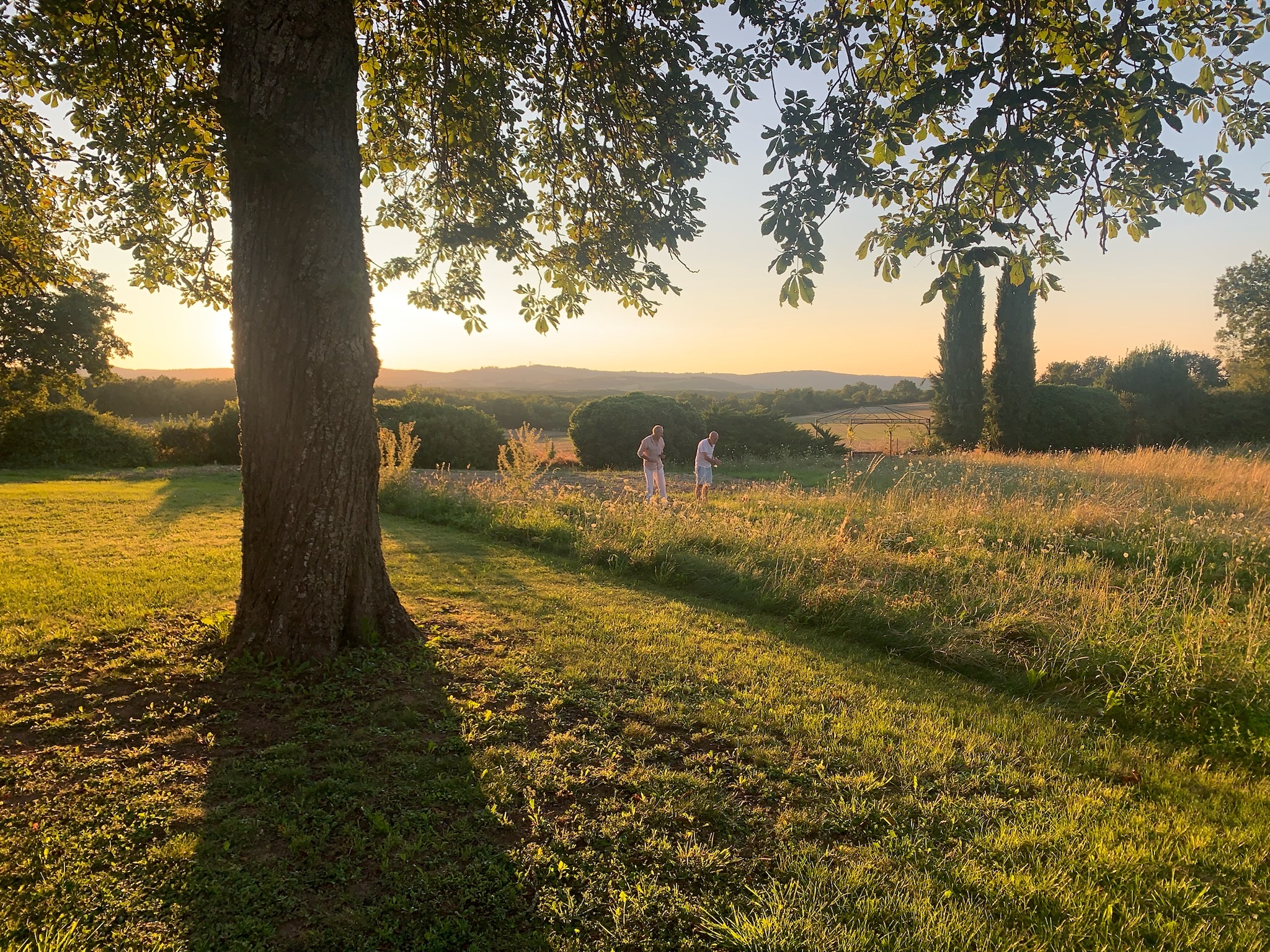
Inside, the living spaces include a lounge, game room, dining room and fully equipped guest kitchen. Outside, the estate grounds offer gardens, a pool, sweeping lawns and a former wine-press barn for alfresco gathering.
Before booking any group house, confirm:
- The current sleeping and bathroom layout
- Which guests would prefer twin beds, a quieter room or to be close to children
- Whether anyone has mobility, access or other practical needs to discuss
- How you expect to use indoor and outdoor spaces
- What matters most for your shared meals and downtime
- The property’s current booking terms and any details specific to your stay
Thoughtful planning at this stage means fewer decisions are left to make once everyone has arrived.
Build a retreat rhythm, not a packed itinerary
A group retreat does not need a programme from breakfast until bedtime. In fact, too much organisation can make a beautiful setting feel strangely hurried.
A simple rhythm is usually enough:
- One anchor experience each day—or every other day
- One shared meal that people can rely on
- Plenty of time with no expectation attached
That anchor might be a morning at a market, a local wine experience, a long lunch or a gentle adventure outdoors. The important thing is that it gives the day a shape without claiming all of it.
You might begin with breakfast at different times, gather for one planned experience in the late morning, then leave the afternoon open. Those who want to rest can rest. Those who want to explore can do so. Everyone comes back together naturally for supper.
This is especially useful for mixed-age or mixed-interest groups. The pleasure lies in rejoining one another, not in staying together every minute.
Let food carry some of the hosting
Food is often the centre of a group stay, but it should not become the organiser’s full-time responsibility.
Think about the meals that matter most. An arrival supper can settle everyone in after travel. A relaxed breakfast arrangement can make mornings feel easy. One properly special dinner can become the evening people remember, without requiring every meal to be an occasion.
Les Manibelles can help explore private-chef meals, bespoke menus and gathering options, subject to your dates, group and the availability of the chefs involved. Share dietary requirements and food preferences early, especially if the group includes allergies, children, vegetarians or guests with particular needs.
A helpful approach is to decide:
- Which meal you would most like to make memorable
- What can be simple and self-directed
- Whether your first evening needs to be completely arranged
- Who will confirm dietary requirements for the group
- Whether lunches are best planned around an outing or left flexible
The aim is not a formal dining schedule. It is the pleasure of knowing that, at least once each day, there is a table waiting for everyone.
Plan one local moment, then leave space around it
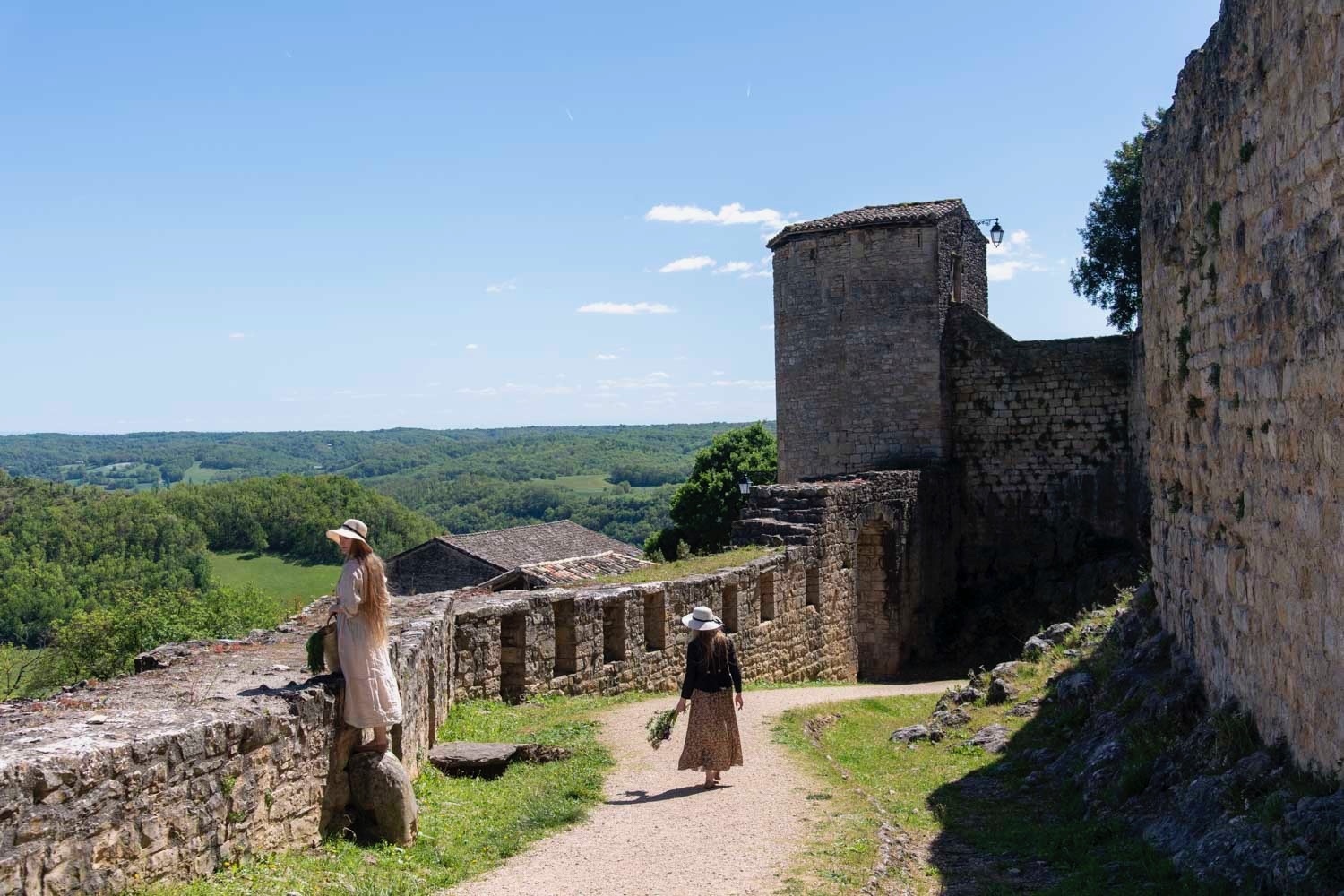
The Tarn rewards a slower kind of curiosity. Rather than trying to see everything, choose the experience that feels most right for your people.
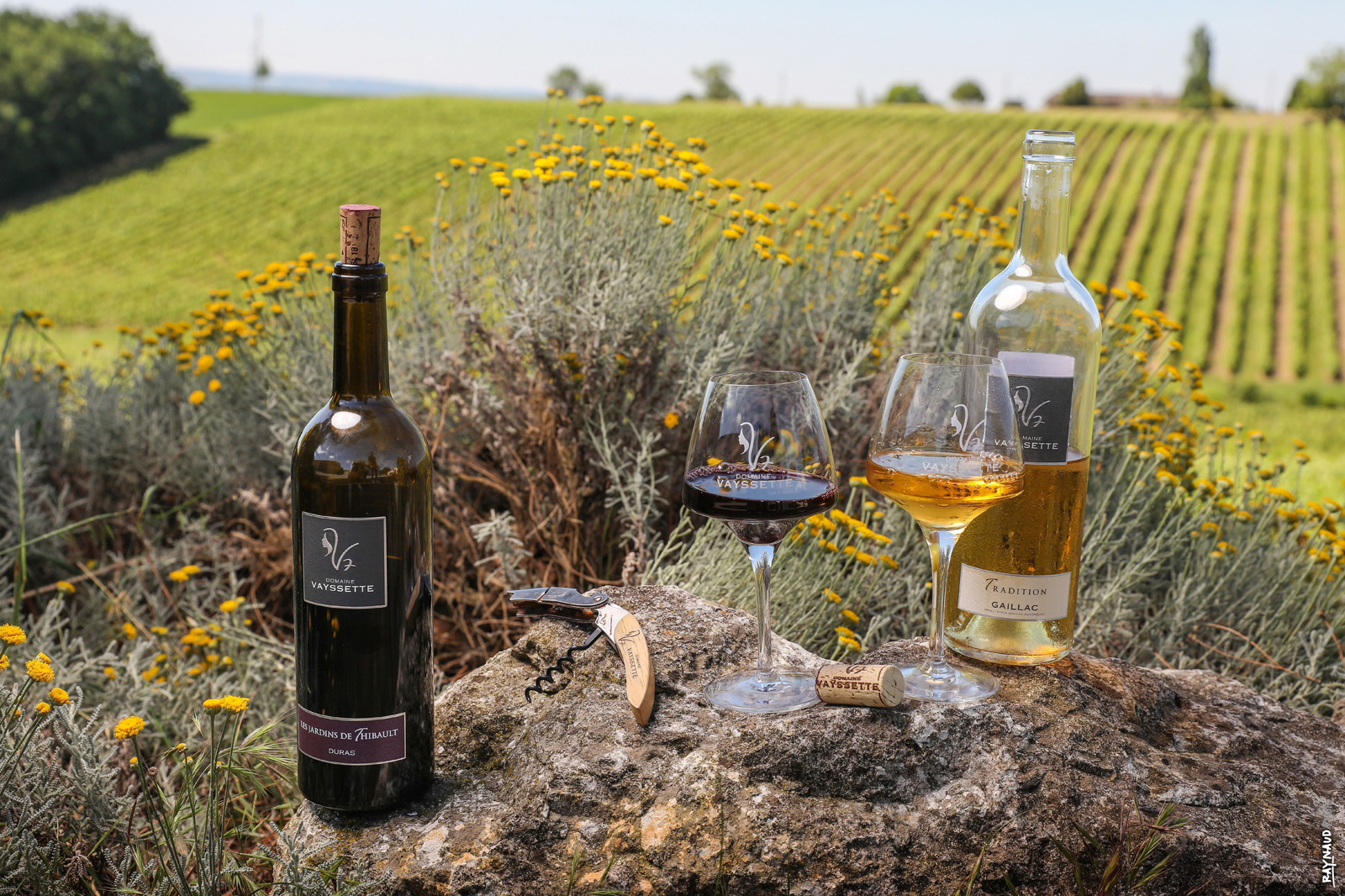
The Les Manibelles experiences include ways to explore local food, wine and terroir, markets, artisans, private culinary moments and more active days such as cycling or kayaking. What is possible will depend on your dates, the season and your group’s interests, so it is best to discuss your priorities in advance.
For a group retreat, one meaningful local moment is usually enough:
- A market morning followed by a long lunch
- A wine and terroir experience for those who are interested
- A culinary gathering around local produce
- A visit with an artisan or maker
- A gentle active outing, with the rest of the day left open
Leave room around it. The best part may be the conversation on the way home, the afternoon by the pool or the moment when nobody needs to decide what comes next.
A gentle three-night group retreat rhythm
Here is one way a three-night stay might unfold.
First evening: arrive and settle
Keep the first night simple. Let guests arrive, choose their rooms, unpack and find their bearings. Arrange an easy shared supper if that would be helpful, then allow for an early night.
First full day: one shared local experience
Start with a leisurely breakfast. Plan one local experience in the morning or around lunch, then leave the afternoon for garden time, reading, swimming, games or individual plans. Gather again for dinner.
Second full day: make space for choice
This is the day not to overfill. A few guests may want to explore; others may prefer a slower morning at the house. Bring everyone together for a long lunch or a special evening meal.
Departure day: end without rushing
A final breakfast, a little time to pack and a chance to say goodbye properly will usually feel better than trying to fit in one last excursion.
What to arrange before arrival - and what to leave flexible
The organiser does not need to carry every detail alone. One practical message to each household can do most of the work.
Ask guests to confirm:
- Their arrival and departure plans
- Room preferences or bed requirements
- Dietary requirements and allergies
- Mobility, access or other needs that should be considered early
- Whether they would like to join the main shared experience
- One thing they hope to do during the stay
Keep the things that matter fixed: arrival arrangements, room plan, key meals and any experience you would be disappointed to miss. Leave lower-stakes choices open, especially anything that depends on weather, energy levels or changing plans.
It can also help to have one person collect questions from the group, so the hosts receive a clear picture of what will make the stay feel easy.
Private group retreat planning checklist
- Confirm dates, guest count and the reason for gathering
- Discuss the current room and bathroom configuration
- Identify bed preferences, children’s needs and practical requirements
- Choose one or two shared meals
- Collect dietary requirements early
- Decide on one meaningful local experience
- Agree what is optional and what everyone will do together
- Discuss spending and booking responsibilities before the trip
- Leave at least one afternoon with nothing planned
Design Your Discovery
Tell us who you are gathering, the dates you are considering and the kind of time you hope to share. Carl and David can help you understand the current room arrangement, dining possibilities and experiences that may suit your group.
Start planning your stay at Les Manibelles.